Camera Grid
- Placement
- FREE
Two-Thirds: a low horizon and a big sky
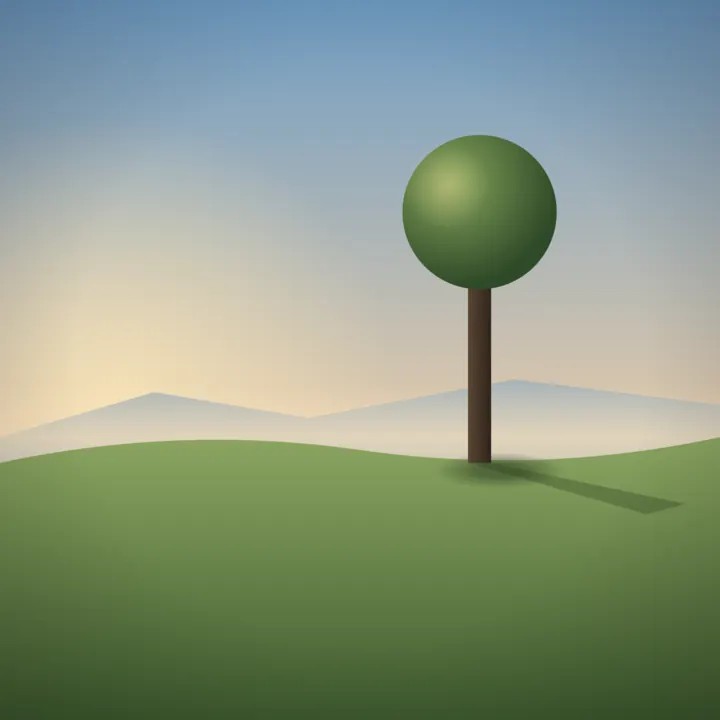
Strong horizon, one clear subject. Horizon on the lower third, subject on the other.
What it is
Two-Thirds sets the horizon on the lower third line and gives the sky two thirds of the frame. It is the choice when the sky carries the picture: storm clouds, a sunset, a wide blue with one lone shape against it. The subject goes on one of the upper crossings, in the sky part of the frame, where it stands clear of the horizon line. A low horizon also makes a scene feel open and spacious, because the eye has so much room above the land.
When to use it
- Sunsets and dramatic cloud formations
- A lighthouse, tree or kite rising above a flat landscape
- Open plains, dunes and seascapes under a big sky
How to shoot it
- Stand at eye level facing a clear, level horizon with one subject that rises above it.
- The guide draws the horizon line on the lower third and a box on an upper crossing for the subject.
- Tilt until the land meets the line. The coach tells you which way and by how many degrees, then asks you to level up if the horizon leans.
- Pan so the subject sits in its box on the upper crossing. A zoom of 1.5× to 2.5× often tidies the edges.
- The ring locks green with a tap once the horizon and the subject are both in place.
Common mistakes
- Choosing a low horizon under a flat grey sky, which leaves two thirds of the picture blank.
- Letting the subject sit on the horizon line, where it merges with the land.
- Forgetting to level the horizon, which a wide sky makes very obvious.
Questions
When should the horizon be low in a photo?
Put the horizon low when the sky is the most interesting part of the scene, such as clouds, colour at sunset or a subject silhouetted against it. If the ground holds the detail, keep the horizon high instead. A centred horizon works mostly for reflections.
What is the difference between Two-Thirds and the rule of thirds?
Both use the same grid. The rule of thirds places a subject on any crossing. Two-Thirds adds a horizon on the lower line, scores its height and tilt, and puts the subject on an upper crossing. Camera Grid offers it when it finds a level horizon near a third.


Frame it. Lock it.
Two-Thirds is one of the 16 free guides in Camera Grid. Point your iPhone at the scene and the app draws it for you.